
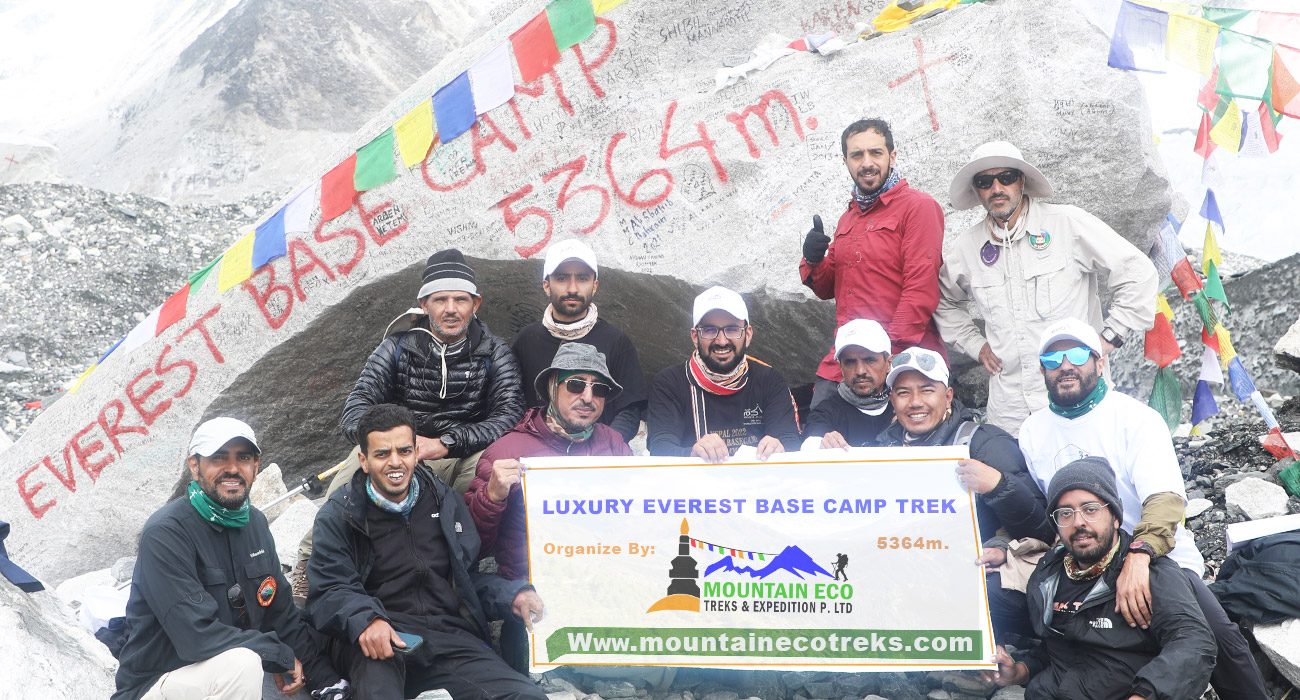
Some travelers count every dollar on a trip. Others are willing to spend more when it means getting a better experience.
The Everest Base Camp Luxury Trek is made for people who want to see the Himalayas without treating comfort as an unnecessary extra. The route still demands effort, but thoughtful planning can make the experience smoother from the first day to the last.
Instead of rushing through the Everest region, you can focus on the views, local culture, quiet mountain mornings, and the sense of achievement that comes with reaching Base Camp.
Why Time Matters on an Everest Trek
A trip to the Everest region takes more than simply booking a flight and starting to walk.
There are transportation arrangements, permits, accommodation, meals, altitude changes, and weather conditions to consider.
A Well-Planned Trip Saves Energy
When the details are organized properly, you spend less time worrying about what happens next.
You know where you are going, when you need to leave, and where you will rest at the end of the day.
That may sound simple, but it becomes valuable when you are tired after several hours on the trail.
Enjoy the Journey From the Start
The experience begins before you reach the higher mountains.
As you move toward the Everest region, the scenery starts changing.
Busy roads and city life gradually give way to hills, rivers, forests, and mountain settlements.
Do Not Treat the First Days as Just Preparation
The early part of the trek gives you a chance to settle into your walking routine.
Pay attention to how your body feels.
Find a comfortable pace.
Learn how your backpack feels.
Get used to walking for several hours.
These early days help prepare you for the more demanding sections ahead.
The Beauty of a Quiet Morning
Mountain mornings have a different feeling.
The air can be cold and still. The surrounding peaks may catch the first sunlight while the valleys remain in shadow.
Start the Day With Patience
Instead of immediately checking your phone or rushing through breakfast, take a few minutes to look outside.
Enjoy a warm drink.
Watch the mountains.
Prepare your gear slowly.
A calm start can make the entire day feel more enjoyable.
Discover the People Behind the Mountains
It is easy to think of Everest only in terms of peaks and glaciers.
But the region is also home to communities with a strong connection to the mountains.
Sherpa culture is an important part of the Everest experience.
Learn From Your Guide
Ask your guide about local traditions, villages, monasteries, and mountain life.
You may learn why prayer flags are placed along trails or how people manage everyday life in remote areas.
These conversations can make the trip more personal.
You are not simply walking through a beautiful landscape. You are visiting someone’s home region.
Make Your Walking Pace Work for You
A common mistake among first-time trekkers is trying to walk too quickly.
It may feel fine at lower elevations.
Higher up, the same pace can become exhausting.
Small Steps Can Be Smarter
Use a steady rhythm.
Take shorter steps on steep sections.
Pause for water when needed.
Do not worry if another traveler moves faster.
The goal is to arrive safely and still have enough energy for the next day.
Make Acclimatization Days Count
A rest day does not have to mean doing nothing.
In fact, these days can be some of the most interesting parts of the trip.
Explore Without Overdoing It
You might visit a nearby viewpoint, walk around the village, or learn about local landmarks.
Keep the activity moderate.
The purpose is to help your body adjust, not to complete another difficult hike.
A properly planned Everest Base Camp Luxury Trek should give acclimatization the attention it deserves.
Comfortable Evenings Matter
After a long day, the quality of your evening can affect how you feel the next morning.
This is one of the biggest practical benefits of choosing a more comfortable trekking style.
Turn Your Room Into a Recovery Space
Take off your trekking shoes and let your feet rest.
Change into warm, dry clothes.
Eat a good meal.
Organize your bag for tomorrow.
Then relax.
You do not need to spend the evening doing something exciting.
Rest is part of the adventure.
Protect Your Equipment From Weather
Your gear needs to work even when conditions change.
Rain, snow, wind, and cold can appear during a trek.
Waterproofing Is Worth the Effort
Use waterproof covers or dry bags for important items.
Keep electronics and documents protected.
Store spare clothing where it will remain dry.
A wet jacket is uncomfortable.
Wet essential gear can become a serious problem.
Keep Your Backpack Manageable
It is tempting to pack too much for a major trip.
But you will notice every extra kilogram while climbing.
Ask Yourself What You Really Need
Before leaving, remove anything that is not essential.
A useful daypack might contain:
- Water
- Snacks
- Sunglasses
- Sunscreen
- Extra layer
- Rain protection
- Personal medicine
- Phone
- Power bank
Everything else should be kept to a minimum whenever possible.
Give Your Camera a Purpose
The Everest region offers endless photo opportunities.
But carrying heavy equipment can make trekking harder.
Capture Memories Without Carrying a Studio
A lightweight camera or smartphone can be enough for most travelers.
Take photos of the big moments, but also capture ordinary scenes.
A local street.
A suspension bridge.
A warm meal.
A mountain sunrise.
These photographs can tell a better story than a collection of only famous viewpoints.
Leave Space for Weather Delays
Mountain travel requires flexibility.
Flights can be delayed because of poor visibility or changing weather.
A trekking day may also need adjustment.
Travel With Respect
The Everest region is not simply a tourist attraction.
It is a living environment and home to local communities.
Small Actions Show Good Manners
Follow local rules.
Ask before photographing people.
Respect monasteries and religious sites.
Do not leave waste along the trail.
Avoid loud behavior in quiet places.
A responsible traveler leaves behind good memories, not problems.
Who Can Benefit Most?
The Everest Base Camp Luxury Trek can appeal to many types of travelers.
It may be especially useful for:
- Couples planning a memorable trip
- Travelers celebrating a special occasion
- People with limited vacation time
- First-time Himalayan trekkers
- Travelers who prefer organized travel
- Those who value comfort after long walking days
The important thing is to choose a package that actually provides the services you expect.
Read the Package Details Carefully
Do not book a trek based only on the word “luxury.”
Different companies can use the term differently.
Know What You Are Paying For
Before booking, check details such as:
- Accommodation
- Meals
- Guide services
- Porter support
- Transportation
- Acclimatization schedule
- Permits
- Emergency arrangements
- Weather-related changes
Clear information is more valuable than attractive marketing language.
Conclusion
The Everest Base Camp Luxury Trek offers a practical balance between adventure and comfort.
You still have to walk. You still need to prepare for altitude. You still have to deal with changing weather and demanding terrain.
But you can also enjoy better organization, comfortable recovery, professional guidance, and more time to appreciate the region.
For travelers who value their time and want their Everest experience to feel special rather than rushed, this approach can be a smart choice.
The mountain provides the challenge.
Good planning allows you to enjoy it.
Frequently Asked Questions
Is the Everest Base Camp Luxury Trek suitable for first-time trekkers?
Yes, provided you prepare properly and follow a gradual itinerary. Professional guidance can also make the experience easier to manage.
How many hours do you walk each day?
Walking time varies depending on the itinerary, location, terrain, and altitude. Some days may be shorter while others require several hours on the trail.
Can I take breaks during the trek?
Yes. Regular breaks are useful for drinking water, eating snacks, taking photographs, and managing your energy.
What should I do if the weather delays my plans?
Stay flexible and follow the advice of your trekking team. This is also why having extra time in your overall travel schedule is useful.
What makes a luxury trek different?
The main difference is the focus on comfort, organization, service, and recovery while still experiencing the physical challenge and natural beauty of the Everest route.