

A Machupicchu tour is one of the most extraordinary travel experiences in the world, offering a perfect blend of history, culture, and natural beauty. Hidden among the dramatic peaks of the Andes Mountains, Machu Picchu continues to captivate travelers with its mystery and timeless charm. This ancient citadel is not just a destination, it is a journey into the legacy of a civilization that once ruled vast regions of South America.
Historical Background of Machu Picchu
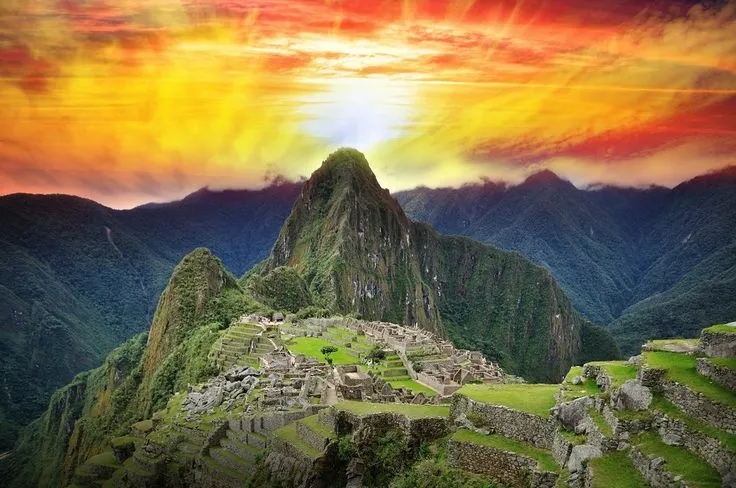
Constructed in the 15th century during the height of the Inca Empire, Machu Picchu stands as a masterpiece of engineering and architectural precision. The Incas built the city using massive stones carefully shaped and fitted together without mortar, allowing the structures to withstand earthquakes and harsh weather conditions for centuries. Despite extensive research, the exact purpose of Machu Picchu remains a subject of debate, though it is widely believed to have served as a royal estate or sacred ceremonial site.
Rediscovery and Global Recognition
The global rediscovery of Machu Picchu in 1911 by Hiram Bingham brought this hidden wonder to international attention. Since then, it has become one of the most visited landmarks in the world and a UNESCO World Heritage Site. Today, millions of travelers embark on Machupicchu tours each year to witness its breathtaking beauty and immerse themselves in its rich history.
Starting Point: Cusco
Most Machupicchu tours begin in Cusco, a historic city that once served as the capital of the Inca Empire. Cusco is not only a gateway to Machu Picchu but also an essential stop for acclimatization due to its high altitude. Visitors often spend a few days exploring its cobblestone streets, colonial architecture, and nearby archaeological sites before continuing their journey.
Journey to Aguas Calientes
From Cusco, travelers proceed to Aguas Calientes, a small town nestled in the valley below Machu Picchu. The journey itself is an integral part of the experience. Many visitors choose a scenic train ride that winds through rivers, valleys, and lush greenery, offering stunning views of the surrounding landscape. This comfortable option is ideal for those who prefer ease while still enjoying the beauty of the region.
The Inca Trail Experience
For adventure seekers, the Inca Trail offers a more immersive experience. This historic route takes hikers through diverse terrains, including cloud forests and mountain passes, while passing ancient ruins along the way. The trek culminates in a dramatic arrival at Machu Picchu through the Sun Gate, providing a truly unforgettable moment that connects travelers with the footsteps of the Incas.
Exploring the Machu Picchu Site
Upon reaching Machu Picchu, visitors are greeted by a breathtaking panorama of stone structures, terraces, and surrounding peaks. The site is divided into different sectors, including agricultural terraces and urban areas, each reflecting the advanced planning and organization of the Inca civilization. Key features such as the Temple of the Sun and the Intihuatana stone demonstrate the Incas’ sophisticated understanding of astronomy and their spiritual connection to nature.
Hiking Nearby Peaks
Many Machupicchu tours also include optional hikes to nearby peaks such as Huayna Picchu or Machu Picchu Mountain. These climbs offer panoramic views of the citadel and the surrounding valleys, providing a deeper appreciation of the site’s scale and beauty. While these hikes can be physically demanding, the views from the top are truly rewarding.
Best Time to Visit
The best time to take a Machupicchu tour is during the dry season, from May to September, when the weather is generally clear and suitable for exploration. However, this is also the busiest period, so early booking is essential. The rainy season offers fewer crowds and lush green landscapes, though visitors should be prepared for changing weather conditions.
Preparation and Travel Tips
Preparation plays a crucial role in ensuring a successful Machupicchu tour. The altitude can be challenging, so spending time acclimatizing in Cusco is highly recommended. Packing appropriate clothing, including layers for changing temperatures, as well as comfortable walking shoes and rain protection, can make a significant difference in your overall experience. Carrying essentials such as water, sunscreen, and a valid passport is also important.
Cultural Experience and Local Life
Beyond its historical and natural appeal, a Machupicchu tour provides a rich cultural experience. The region is home to Quechua communities who continue to preserve traditions passed down through generations. Engaging with local culture through markets, food, and crafts adds depth to the journey and creates a more meaningful travel experience.
Conclusion
A Machupicchu tour is more than just a trip; it is a journey through history, culture, and breathtaking landscapes. From the legacy of the Inca Empire to the stunning beauty of the Andes, every aspect of the experience offers something unique and memorable. With proper planning and an open mind, visiting Machu Picchu becomes a truly transformative adventure that stays with you long after the journey ends.
FAQ
What is the best time to visit Machu Picchu?
The best time is during the dry season from May to September for clear skies and better conditions.
How do I get to Machu Picchu?
You can travel by train from Cusco to Aguas Calientes or hike the Inca Trail for a more adventurous route.
Is the Machupicchu tour difficult?
It depends on the route. Train tours are easy, while trekking routes require moderate fitness.
Do I need to book in advance?
Yes, tickets and tours should be booked early due to limited daily visitors.
What should I pack for the trip?
Bring comfortable clothing, sturdy shoes, water, sunscreen, and your passport.
Can I visit Machu Picchu all year round?
Yes, it is open throughout the year, though weather conditions vary by season.
