
There is a moment, usually somewhere past ten at night, when the cold sharpens, the stars multiply, and a thin green arc begins to glow above the treeline. Everyone goes quiet. Someone whispers, “Is that it?” Then the sky starts to move. That is the heart of a Yukon Aurora Adventure (4 days): a short trip built around that moment, with enough adventure by day to make the waiting feel like part of the fun.
This guide explains what to expect, how four days can be organized, when to travel, and how to prepare so you can focus on the sky instead of the cold.
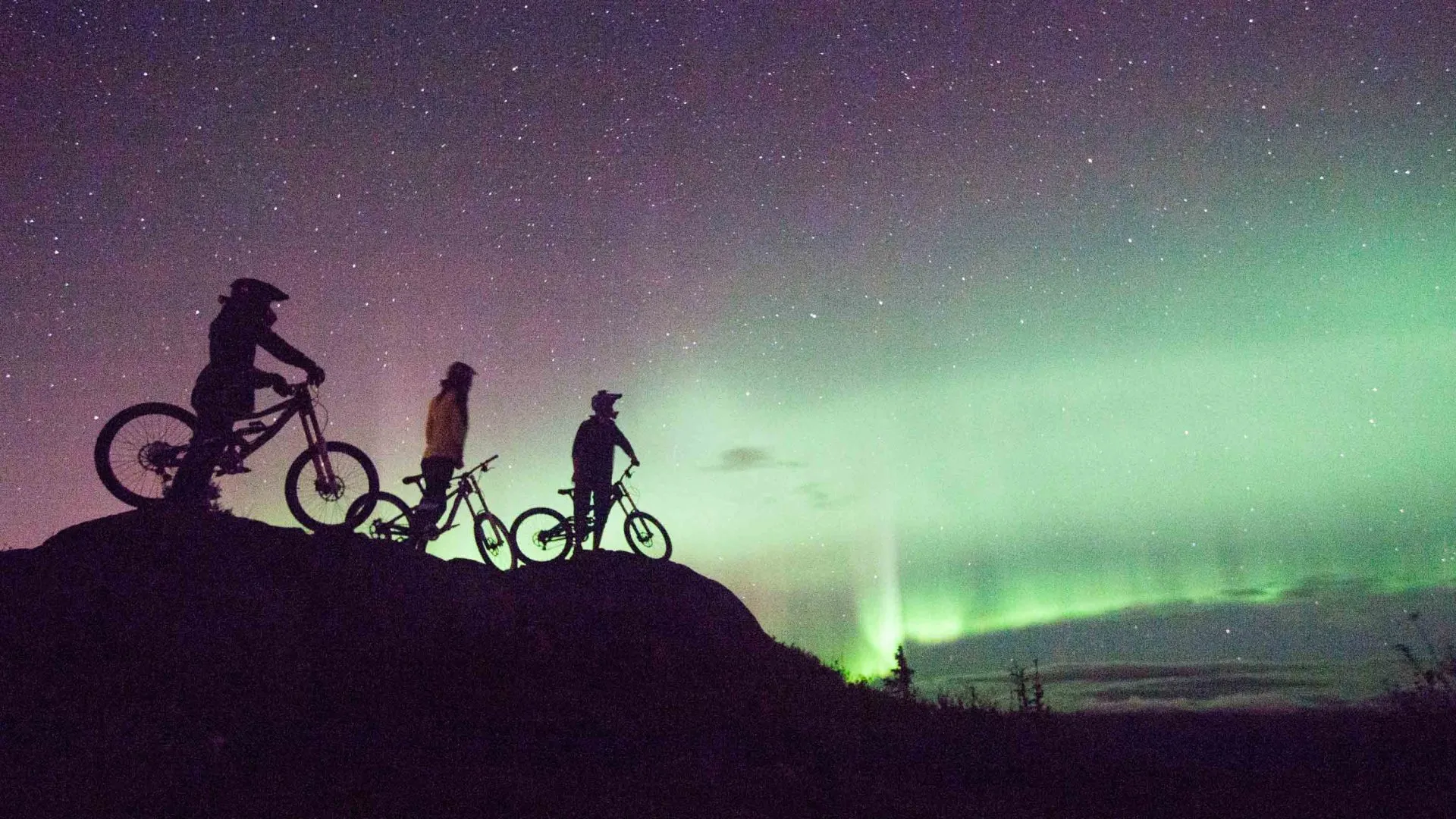
Why the Yukon Is a Prime Aurora Destination
The Yukon sits beneath the auroral oval, the ring-shaped zone around the magnetic pole where northern lights are most active. The territory also has some of the darkest, clearest skies in North America, thanks to low population, vast wilderness, and a dry climate.
Whitehorse, the capital, makes the journey simple. It has an airport, a range of hotels, restaurants, and viewing sites within a short drive. You can arrive, settle in, and be standing under a dark sky the same evening. For travelers with limited time, that convenience is a big advantage.
What Makes It an Adventure, Not Just a Viewing Trip
Many aurora trips are simply a series of late-night drives. A Yukon Aurora Adventure (4 days) is different because it fills your daylight hours with activities that show you the territory in its quiet beauty. Instead of sleeping until dusk, you spend the day outdoors, then come back for the main event after dark.
Popular daytime options include:
-
Dog sledding with a team of enthusiastic huskies
-
Snowshoeing through snow-laden forest
-
Hot spring soaks in steaming outdoor pools
-
Visits to wildlife preserves to see northern animals
-
Cultural stops at museums or heritage sites in Whitehorse
-
Scenic drives past frozen lakes and rugged mountains
In autumn, these may become hikes, canoe outings, or photography walks among golden aspens.
A Sample Four-Day Itinerary
Every operator designs things differently, but this flow works well for many travelers.
Day 1: Arrive in Whitehorse. Land, check in, and collect any rental winter gear. Take a short walk to feel the air, then enjoy an early dinner. If the forecast is clear, a first aurora session after dark is a great way to begin. If it is cloudy, rest and save your energy.
Day 2: Dog sledding and the first big aurora night. Spend the morning meeting the dogs and learning the basics of mushing, or riding as a passenger. It is exciting, a little noisy before the start, and wonderfully peaceful once the team gets going. After a hearty lunch, relax or nap. In the evening, join a guided tour to a dark site with a heated shelter, hot drinks, and a guide watching the sky.
Day 3: Nature day and second viewing. Choose snowshoeing, a wildlife outing, or a hot spring visit. These slower activities leave you rested for another late night. This is often the best evening to linger outside, because by now you know how to dress and how long to wait.
Day 4: A calm departure. Have a slow breakfast, stroll along the Yukon River, and pick up local crafts before your flight. Depending on timing, you may even fit in one last short activity.
If your schedule allows, a flexible operator will rearrange days to chase clear weather. That flexibility is often worth more than any single activity.
The Best Time for Your Yukon Aurora Adventure (4 Days)
Aurora season generally runs from late August to mid-April. You need darkness, so bright summer nights are not suitable.
Late August to September. Milder temperatures and open water that can reflect the lights. A good balance of comfort and aurora, with fall colors as a bonus.
October and November. Early winter atmosphere, growing darkness, and fewer visitors.
December to February. The coldest and darkest months. Long nights give you plenty of viewing time, and snowy landscapes make everything feel magical.
March to mid-April. Many photographers love this period for its clearer skies, gentler temperatures, and strong activity around the equinox.
If you can choose, travel near a new moon. A full moon is beautiful, but it can wash out fainter displays.
How Likely Are You to See the Aurora?
Honesty is important here. The aurora is a natural event, and nobody can guarantee it. Clouds and solar activity decide the outcome. That said, a four-night window in a prime location gives you reasonable odds, especially in peak months. Many travelers see at least some activity, and some get truly spectacular displays.
What the lights look like also varies. To the naked eye, a quiet aurora can appear as a pale green or whitish glow. A stronger one can reveal moving curtains, spirals, and flashes of pink or purple. Cameras usually show more color than your eyes do, so do not be discouraged if reality looks softer than photos. Seeing it move is the real thrill.
Tips for Better Aurora Viewing
-
Stay out longer than you think you need to. Activity often arrives in waves.
-
Let your eyes adjust. Give them 15 to 20 minutes in darkness and avoid looking at phone screens.
-
Check clouds as well as aurora forecasts. Clear skies matter more than a high activity number.
-
Choose a dark location. City lights hide fainter displays.
-
Keep a flexible mindset. Some nights are quiet, and others are unforgettable.
Photography Basics
You do not need professional gear, but a few habits help. Use a tripod or a steady surface, a wide-angle lens, and a wide aperture. Try an exposure of 5 to 15 seconds, then adjust for brightness. Turn off flash, and focus manually on a distant star. On a phone, use night mode and keep still. Carry a spare battery in an inner pocket, because cold drains batteries quickly. Most importantly, put the camera down now and then and watch with your own eyes.
What to Wear and Pack
Standing still in the dark is far colder than walking in daylight. Dress in layers and prioritize warmth.
-
Insulated, waterproof boots rated for low temperatures
-
Thermal base layers made of wool or synthetic fabric
-
A fleece mid-layer and a heavy winter parka
-
Insulated pants, a warm hat, and a neck gaiter
-
Liner gloves plus insulated mittens
-
Hand and toe warmers
-
Sunglasses for bright snow in winter
-
Lip balm and moisturizer for dry air
Many operators lend winter clothing, so check before you buy anything new. In early autumn, bring a warm jacket and gloves, since evenings can still be chilly.
How to Choose the Right Program
Before booking a Yukon Aurora Adventure (4 days), compare these points:
-
Group size. Smaller groups feel warmer and more personal.
-
Number of viewing nights. More nights mean better odds.
-
Heated shelter. A warm place to rest improves the whole experience.
-
Weather flexibility. Look for itineraries that can shift around clouds.
-
Gear rental. Check what is included.
-
Rebooking policy. Ask what happens if the sky stays cloudy.
-
Guide experience. Local knowledge helps with both safety and sightings.
Frequently Asked Questions
Is four days enough?
It is a solid length for a first trip, offering several viewing chances without a long commitment.
Do I need to be fit or experienced in winter?
No. Activities are designed for beginners, and guides explain everything.
Is the trip suitable for families or older travelers?
Often yes, as long as everyone dresses warmly. Ask about age limits and mobility needs.
Do I need to rent a car?
Not usually. Most tours include pickup and transport.
Final Thoughts
A Yukon Aurora Adventure (4 days) is not just about chasing a light show. It is about slowing down, trying new things in a wild setting, and being ready when the sky decides to put on a performance. Pack warmly, stay patient, and enjoy every part of the journey, from the huskies at dawn to the silence under the stars. Whether the lights are soft or spectacular, you will likely leave with a deep appreciation for the north.