
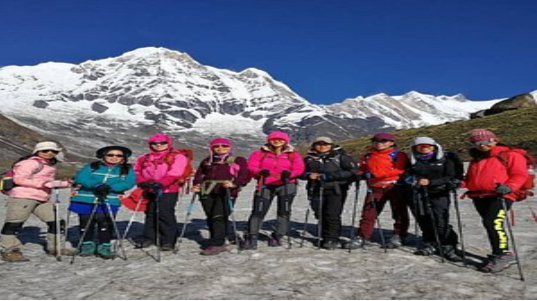
The Everest Base Camp (EBC) trek is more than just a hike; it’s a profound journey into the heart of the Himalayas, a land of towering peaks, ancient Sherpa culture, and breathtaking landscapes. This 14-day itinerary offers a unique and immersive experience, allowing trekkers to not only reach the foot of the world’s highest mountain but also to deeply connect with the region’s spirit and grandeur. Unlike shorter, more rushed itineraries, this extended trek provides crucial acclimatization time, enhancing safety and enjoyment, and allowing for a more profound appreciation of the surroundings.
Day 1: Arrival in Kathmandu (1,400m/4,593ft)
Your adventure begins in the vibrant capital city of Nepal, Kathmandu. Upon arrival at Tribhuvan International Airport, you will be greeted by a representative and transferred to your hotel in the Thamel area. This bustling district is the perfect place to soak in the local atmosphere, with its colorful streets, bustling markets, and numerous monasteries and temples. Take the day to relax, acclimatize to the altitude and time difference, and perhaps explore some of the nearby sights. In the evening, enjoy a traditional Nepali welcome dinner, a perfect introduction to the country’s rich culture and cuisine.
Day 2: Kathmandu Sightseeing and Trek Preparation (1,400m/4,593ft)
Today is dedicated to exploring the cultural wonders of Kathmandu Valley, a UNESCO World Heritage site. You will visit iconic landmarks such as Swayambhunath Stupa (the Monkey Temple) offering panoramic city views, the sacred Pashupatinath Temple on the banks of the Bagmati River, Boudhanath Stupa, one of the largest spherical stupas in Nepal and Kathmandu Durbar Square, the historical heart of the city with its ancient palaces and temples. In the afternoon, you will meet with your trekking guide who will provide a detailed briefing about the trek, answer any questions you may have, and ensure you have all the necessary gear and permits. This preparation day is crucial for a smooth and well-organized trek.
Day 3: Fly to Lukla (2,860m/9,383ft) and Trek to Phakding (2,610m/8,563ft) – 3-4 hours trek
Early morning, you will take a scenic 30-minute flight from Kathmandu (or Manthali during peak season) to Lukla, a thrilling experience in itself as you land at the Tenzing-Hillary Airport, one of the world’s most adventurous airstrips. Lukla is the gateway to the Everest region. After meeting your porters and organizing your gear, your trek begins with a gentle descent through picturesque Sherpa villages like Cheplung and Ghat, following the Dudh Koshi River. The trail is relatively easy, allowing you to adjust to the altitude and enjoy the lush green landscapes and prayer wheels that dot the path. You will spend the night in Phakding, a charming village nestled along the riverbank.
Day 4: Phakding to Namche Bazaar (3,440m/11,286ft) – 5-6 hours trek
Today’s trek takes you further along the Dudh Koshi River, crossing several suspension bridges adorned with colorful prayer flags. You will pass through the entrance of Sagarmatha National Park in Monjo, where your permits will be checked. The trail gradually ascends through pine forests, offering glimpses of snow-capped peaks in the distance. After lunch in Jorsale, the path steepens as you make your way up to Namche Bazaar, the bustling heart of the Khumbu region. The first views of Everest and Lhotse appear on a clear day, a truly awe-inspiring sight. Namche Bazaar is a vibrant town with shops, restaurants, and lodges, and serves as an important acclimatization stop.
Day 5: Acclimatization Day in Namche Bazaar (3,440m/11,286ft)
Acclimatization is crucial for a safe and successful trek at high altitudes. Today, you will stay in Namche Bazaar but engage in light activities to help your body adjust to the thinning air. A popular option is a hike to the Everest View Hotel, which offers stunning panoramic views of Everest, Lhotse, Nuptse, and Ama Dablam. You can also explore Namche Bazaar itself, visit the Sherpa Culture Museum, or hike to the nearby villages of Khunde and Khumjung, home to the Hillary School and a traditional Sherpa monastery. These excursions not only aid acclimatization but also provide insights into the unique Sherpa culture and lifestyle.
Day 6: Namche Bazaar to Tengboche (3,860m/12,664ft) – 5-6 hours trek
After a good rest in Namche, you will begin your trek towards Tengboche, home to the most important Buddhist monastery in the Khumbu region. The trail offers magnificent views of the Himalayas as it gradually ascends, passing through forests of rhododendron and juniper. You will cross the Dudh Koshi River again and climb steadily to Tengboche. The Tengboche Monastery is perched on a ridge surrounded by panoramic views of Everest, Ama Dablam, and other majestic peaks. You will have the opportunity to visit the monastery and witness the evening prayer ceremony, a serene and spiritual experience.
Day 7: Tengboche to Dingboche (4,410m/14,469ft) – 4-5 hours trek
Today’s trek takes you down from Tengboche through a forest of birch, conifer, and rhododendron to the Imja Khola. After crossing the river, the trail ascends gradually to Pangboche village, offering excellent views of Ama Dablam. You will then continue through open landscapes with Mani walls (stone walls inscribed with Buddhist prayers) to Dingboche, a picturesque village nestled in the Imja Valley. Dingboche is a popular stop for acclimatization due to its higher altitude and offers stunning views of the surrounding snow-capped mountains, including Lhotse, Island Peak, and Makalu in the distance.
Day 8: Acclimatization Day in Dingboche (4,410m/14,469ft)
Another crucial acclimatization day is spent in Dingboche. To aid the process, you can take a hike to Nagarjun Hill (5,100m/16,732ft), which offers breathtaking panoramic views of the surrounding peaks, including Makalu, Lhotse, Cholatse, Taboche, and Ama Dablam. This hike helps your body adapt to the higher altitude while rewarding you with spectacular scenery. Alternatively, you can hike up the Imja Khola valley towards Chukung, enjoying the views of Island Peak. Remember to stay hydrated and take it easy to allow your body to adjust.
Day 9: Dingboche to Lobuche (4,910m/16,109ft) – 5-6 hours trek
Today, the trek ascends gradually through yak pastures and stone-walled fields as you head towards Lobuche. You will pass through Dughla (Thukla), where you will see memorials dedicated to climbers who lost their lives on Mount Everest and other Himalayan expeditions. After a steep climb up to Dughla Pass (4,830m/15,846ft), the trail flattens out as you follow the moraine of the Khumbu Glacier to Lobuche. The views of Taboche and Nuptse are particularly impressive today. Lobuche is a small settlement with basic teahouses, offering a stark and rugged mountain environment.
Day 10: Lobuche to Gorakshep (5,160m/16,929ft) and Everest Base Camp (5,364m/17,598ft), then back to Gorakshep – 6-7 hours trek
This is the day you’ve been waiting for – reaching Everest Base Camp! The trek to EBC takes you along the Khumbu Glacier, navigating rocky terrain and icy trails. The views of the Khumbu Icefall are dramatic and awe-inspiring. Upon reaching Everest Base Camp, you will have the incredible opportunity to stand at the foot of the world’s highest mountain, surrounded by towering peaks and the raw beauty of the Himalayas. Take photos, soak in the atmosphere, and celebrate this momentous achievement. After spending some time at EBC, you will trek back down to Gorakshep for the night, the highest settlement with teahouses on this trek.
Day 11: Gorakshep to Kala Patthar (5,550m/18,208ft) and trek down to Pheriche (4,240m/13,911ft) – 7-8 hours trek
Today involves an early morning climb to Kala Patthar (“black rock”), a famous viewpoint that offers the most stunning panoramic views of Mount Everest, along with Lhotse, Nuptse, Pumori, and other surrounding peaks. The sunrise over these majestic mountains is an unforgettable spectacle. After soaking in the breathtaking views and capturing some memorable photos, you will trek back down to Gorakshep for breakfast and then continue your descent towards Pheriche, a village situated in a wider part of the valley, offering more comfortable lodging and a lower altitude for better rest.
Day 12: Pheriche to Namche Bazaar (3,440m/11,286ft) – 5-6 hours trek
The descent continues today as you trek back towards Namche Bazaar. The trail follows the Imja Khola and then descends through forests of juniper and rhododendron. You will pass through Pangboche and Tengboche again, offering different perspectives of the landscapes you’ve already encountered. The walk is generally easier as you lose altitude, and the air becomes thicker. Arriving back in Namche Bazaar feels like returning to civilization, with more amenities and a familiar comfort.
Day 13: Namche Bazaar to Lukla (2,860m/9,383ft) – 6-7 hours trek
Your final day of trekking involves a longer descent back to Lukla. You will retrace your steps along the Dudh Koshi River, crossing the suspension bridges and passing through the villages of Monjo and Phakding. The trail offers final glimpses of the majestic Himalayas. Arriving in Lukla, you can relax, reminisce about your incredible journey, and prepare for your flight back to Kathmandu the next morning. Celebrate your achievement with your trekking team.
Day 14: Fly from Lukla to Kathmandu (1,400m/4,593ft)
Early morning, you will take another scenic flight from Lukla back to Kathmandu. Upon arrival, you will be transferred back to your hotel. You can spend the rest of the day relaxing, catching up on some rest, doing some souvenir shopping, or further exploring the city at your own pace. In the evening, a farewell dinner will be organized to celebrate the successful completion of your Everest Base Camp trek.
Conclusion:
The 14-day Everest Base Camp trek is an extraordinary adventure that offers a perfect blend of physical challenge, cultural immersion, and unparalleled natural beauty. This extended itinerary ensures adequate acclimatization, making the journey safer and more enjoyable. Trekkers are rewarded with breathtaking panoramic views of the world’s highest peaks, the rich cultural heritage of the Sherpa people, and a profound sense of accomplishment upon reaching the foot of Mount Everest. This unique odyssey creates memories that will last a lifetime, forging a deep connection with the majestic Himalayas and the resilient spirit of the people who call this region home. The extra days allow for a more relaxed pace, deeper exploration of local villages and monasteries, and a greater appreciation for the stunning landscapes, making this 14-day trek an unforgettable and truly enriching experience.