
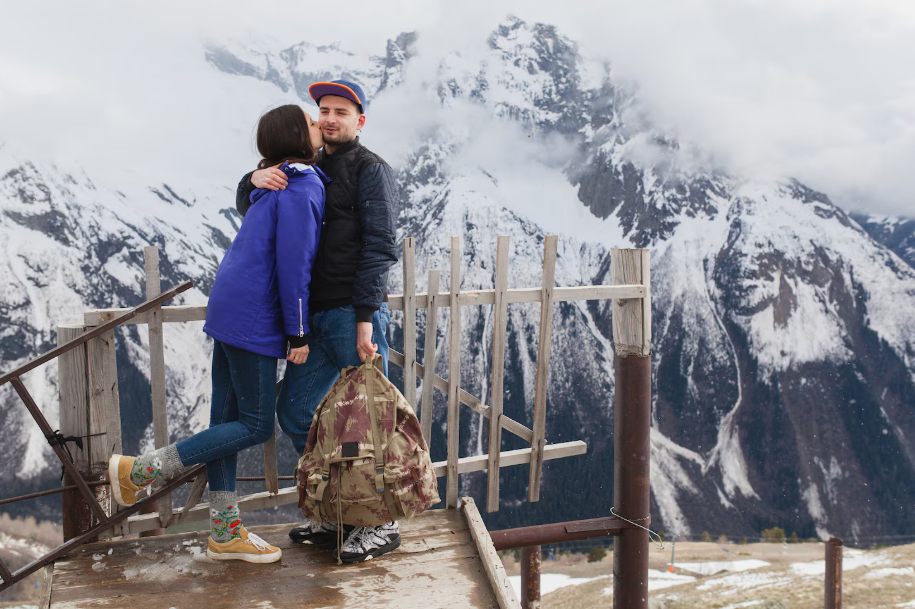
Nepal offers more than a single travel experience. From historic cities and living traditions to natural landscapes and gentle adventure, the country changes noticeably with the seasons. The time of year you visit influences how you explore the day tours of Nepal, how comfortable travel feels, and how closely you connect with local culture. Rather than focusing on a single “best” season, understanding Nepal’s seasonal rhythm helps travelers choose a time that fits their interests and pace.
Nepal’s Landscape and Seasonal Flow
Nepal’s land changes a lot, from warm lowlands to cool hill towns and far-off mountain areas. These changes in height make different kinds of weather that affect travel all year. Some places are easy to visit anytime, but others change a lot depending on the weather and temperature.
The seasons affect how clear things look, what people do each day, and local events. Travelers who want to see heritage sites, go on scenic drives, take short walks, or explore slowly can get a better experience if they know how the seasons change the comfort and feel of a place.
Choosing the right time helps balance sightseeing, nature, and ease of movement. This guide by Himalaya Trekking Nepal explains how seasons influence travel across Nepal, whether the focus is cultural heritage, scenic exploration, or a mix of experiences.
Spring (March to May): Comfortable Travel and Cultural Energy
Spring is one of the nicest times to visit Nepal. The weather is mild, the days are clear, and flowers and trees start to bloom in the hills and valleys. Cities and heritage sites feel lively but not too crowded.
Cultural festivals and local events add energy to towns and villages. This season is great for travelers who want a mix of sightseeing, easy outdoor activities, and cultural experiences without dealing with bad weather or big crowds.
Monsoon (June to August): Green Landscapes and Quiet Exploration
During the monsoon, Nepal turns into a green, living landscape. Rain can make some travel routes tricky, but lots of cultural spots keep going as usual. Museums, temples, and old neighborhoods are quieter, letting you explore at a slower pace.
This season lets travelers see everyday life instead of big tourist shows. It’s good for people who like the vibe, taking photos, and traveling slowly with fewer visitors around.
Autumn (September to November): Clear Views and Festive Life
Autumn has steady weather and clear skies, which makes it great for sightseeing and scenic trips. The temperature is comfortable, and travel is mostly easy.
This season is also important for culture. Big festivals fill cities and villages with family gatherings, rituals, and celebrations. Visitors can see Nepal’s social life at its busiest while still having comfortable travel conditions.
Winter (December to February): Calm and Cultural Depth
Winter brings cooler weather but also a calm feeling. Many cultural sites stay open and are easy to visit, usually without crowds. Hill towns and heritage areas feel quieter, letting you explore more deeply.
This season is good for travelers who like peaceful trips, focusing on culture, and taking things at a comfortable pace without the busy peak travel crowds.
Practical Seasonal Takeaways
- Spring and autumn give the best mix of comfort and things to do.
- Monsoon brings a special vibe and quieter cultural spots.
- Winter is best for calm travel and exploring heritage sites.
- Every season gives a different kind of experience.
Why Local Understanding Enhances the Journey
The weather in Nepal can change from year to year. Knowing local tips helps travelers pick the right regions, activities, and timing for the current conditions, making the trip smoother and more enjoyable.
Final Thoughts
Nepal is best enjoyed by travelers who plan carefully instead of guessing. By knowing how culture and adventure change with the seasons, visitors can experience the country in a way that feels personal, comfortable, and connected to local life.